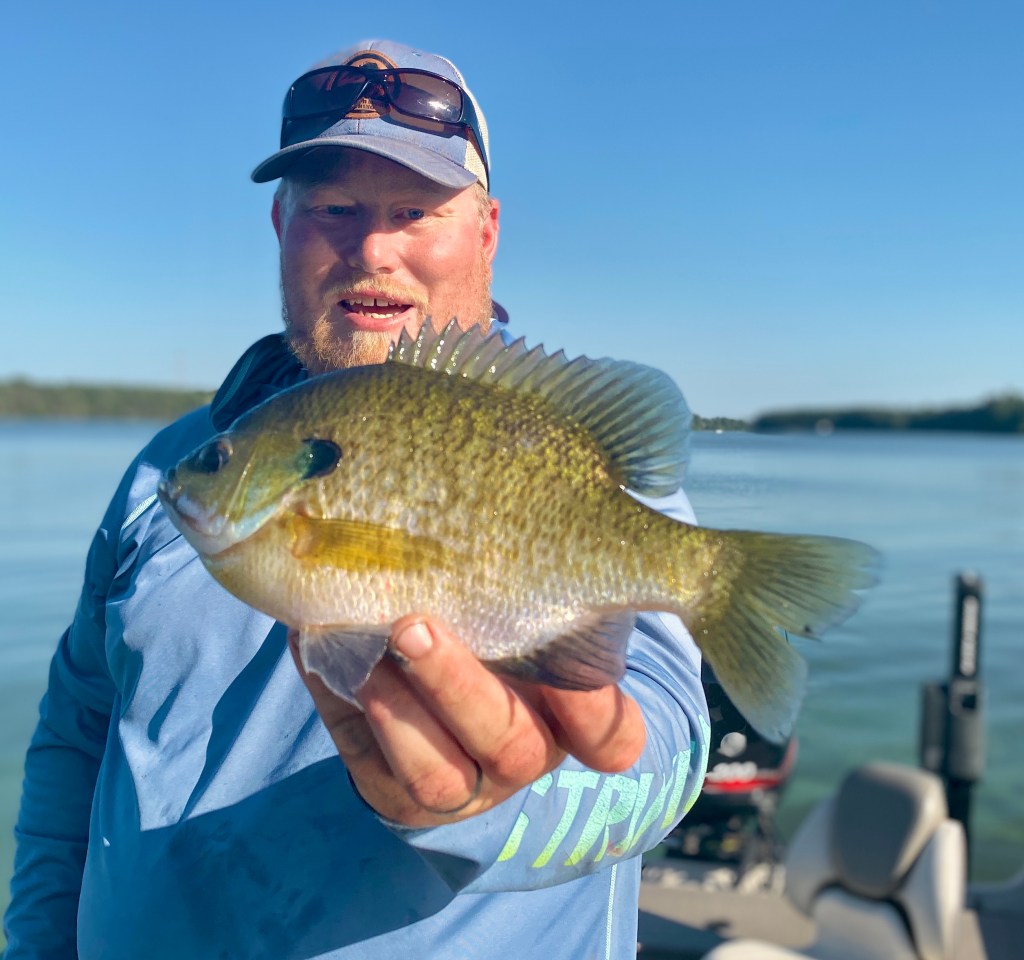
EAU CLAIRE, Wis. — Within about 40 minutes or so of leaving the seventh-largest city in Wisconsin, you’re out in the country. It’s one of the great things about the state. Small towns here and there, of course, but fantastic if you want to find a great place for cheese or homemade meat sticks. Or stop on a long bike ride for a cold beer, perhaps a crisp lager. Or find a good fishing spot for trophy bluegills on an evening trip.
Andrew Gullickson can help with the latter. He’s a veteran panfish guide on the wide array of lakes near Bloomer, where he lives, and Chippewa Falls. Minnesota may be the Land of 10,000 Lakes, but Wisconsin ain’t too far off. Within Gullickson’s orbit are about 300 waterways, from small lakes to serious rivers. They’re chock full of bluegills, walleye, largemouth and smallmouth bass, perch, catfish and others.
Gullickson grew up fishing and enjoying the outdoors. As anglers do, he went through the stages: learning to catch, wanting to catch a lot of anything, refining techniques and then targeting trophy fish. Hunters do the same thing, usually. It’s a natural progression. But unlike in the south, where we fish-loving Bubbas weigh our bass and don’t think about trophy bluegills, our northern Bubba brothers put a measuring tape on their piscatorial pursuits.
So when Gullickson and I came off plane in his boat for a few hours of late-afternoon bluegill fishing, he casually mentioned hoping for a trophy ‘gill or two. His front deck was arranged with spinning rods, each with a drop shot rig and sliver of cured beavertail for the bait. He pointed to the school of bluegills on the sonar unit, and we each cast. We were hoping for a 10-inch fish. Considering bluegills eat microscopic floaty things, small minnows, insects, nymphs, mayflies, tiny crayfish and other similar things, growing to 10 inches is significant.
Wham! A miss. Wham! Wham! They weren’t immediately aggressive but it took only a moment for us to put some in the boat.
“Nine inches,” he said, showing the first big one against the measuring board. The second big one was 9 1/2. I’d never thought about a 10-inch bluegill. I’ve seen photos of a few, though, and now I wanted one of my own. We didn’t get a 10 despite hitting a couple more spots, but had a couple more 9-plus before going to throw topwater frogs for bass.
Land of Options
Wisconsin, of course, is known for many things: cheese, beer, brats and meat products, hunting, fishing, dairy, agriculture and pretty damned cold winters. One thing I love about visiting is you can stop to get gas, for example, and pick up some local-made snacks, maybe ask for a fishing report or what fly is working on the trout stream, and do it again at the next fillup. You don’t get that at the corporate beaver-hawkin’ fillup monstrosities.
Wisconsin has about 1,300 licensed cheese-makers in the state. You’ll find them in small and large towns, old family generational outfits and younger “just started” businesses. Cheddar has gotten the spotlight for years. It’s fairly easy to make, even at home, and it goes with just about anything. Crackers. Steak. Fish. Parties. Kids’ lunches. A sliced apple and Coke while you’re bluegill fishing or having a snack on a hike.
A friend who lives in central Wisconsin gives me the stinky nose when I ask about certain cheeses. Not the things like Feta or Stilton, or a creamy Brie or sea-infused something from the coast. I ask him about cheddar that I hear about, or maybe have at a restaurant, or read about. Thumbs up, good stuff. Stinky nose, he avoids. He’s old school and has preferences, of course, but if you grow up in Wisconsin then I’ll take your advice about cheddar.
My favorite snacks could be cheese curds, especially the nice firm ones that squeak when you take a bite. Curds are an early part of the cheese-making process, when the curdled milk is allowed to chill out for about 24 hours. This firms them a bit. If as a kid you ever took a bite of Silly Putty to see what it was like, that’s sort of what cheese curds are like. Only better. Tasty, delicious and addictive. They can be breaded and deep fried, which is fantastic with cold beer, or noshed anytime as a snack. They’re added to fries and gravy in parts of Canada and called poutine, a mound of fatty starchy flavor goodness to enjoy.
As for meat sticks and cold beer, I’m pretty much agnostic. I love both. One of my favorites today is Spotted Cow, produced by New Glarus Brewing. It’s sold only in Wisconsin. Getting it feels a little bit like being 17 again. My first forays into consuming the devil’s brew was with lukewarm Miller High Life more than 45 years ago. Stroh’s got an occasional guzzle. Miller Lite, which still is the best light beer. Pabst Blue Ribbon, back before hipsters tried to make it cool again, was a college favorite, as was Old Milwaukee. Why? Because I liked the grain flavor of the PBR and Ol’ Milwater, and because none of my friends would drink it. I could put a sixer of PBR in the cooler or fridge and no one would touch them. Hail to the grain!
All of these came from Wisconsin, specifically from around Milwaukee. German immigrants found Wisconsin to their liking: fertile land, rolling hills, water, grain, fish, deer and wildlife, all perfect for productive labor, raising families, enjoying off-time, making beer, cheese and enjoying winter sports. That’s all a pretty doggone good combination.

